

The Certified Wildlife Habitat program is a national effort that helps people restore habitats for local wildlife and insects by implementing sources of food, water and shelter in their own yards. Iowa recently reached 2,000 habitats across the state through the Iowa Wildlife Federation (IWF), with a majority in Des Moines and more popping up in smaller towns.
The habitat restoration program was created by the National Wildlife Federation (NWF) in 1973, and it's been a part of the IWF's programming for about four years.
Ryan Smith, executive director of the IWF, said wildlife is struggling to maintain habitats in Iowa due to rising urban and agricultural development. More development in these areas means more land is being used up.
"We're also losing some of those other corridors that might be along creeks or ditches or those kinds of things," Smith said.
Corridors play an important role in migration and help connect wildlife to habitats with proper food sources. Smith said larger farm operations and growing housing and commercial needs are intruding on these pathways, which makes local habitat restoration necessary for wildlife to thrive. He said the program helps because it can restore habitats both locally and along corridors.
Certified habitats can range from someone's yard to a school or church yard, or even a balcony. Smith said unconventional spaces can still provide proper homes for wildlife.
"If you don't have a yard, building pollinator potted gardens and rain gardens and things like that is great," he said. "Like, a 5-by-5 pocket prairie still helps."
He said native plants are a crucial source of food for most wildlife.
Hummingbirds, and insects like bees, butterflies and wasps rely on native plants for food. In turn they pollinate the plants, which help those plants and 35% of the world's food crops reproduce, according to the U.S. Department of Agriculture. This process and pollinators themselves also serve as a food source for other wildlife.
"When you have better habitat for insects, then you have better habitat for birds and other animals," Smith said.
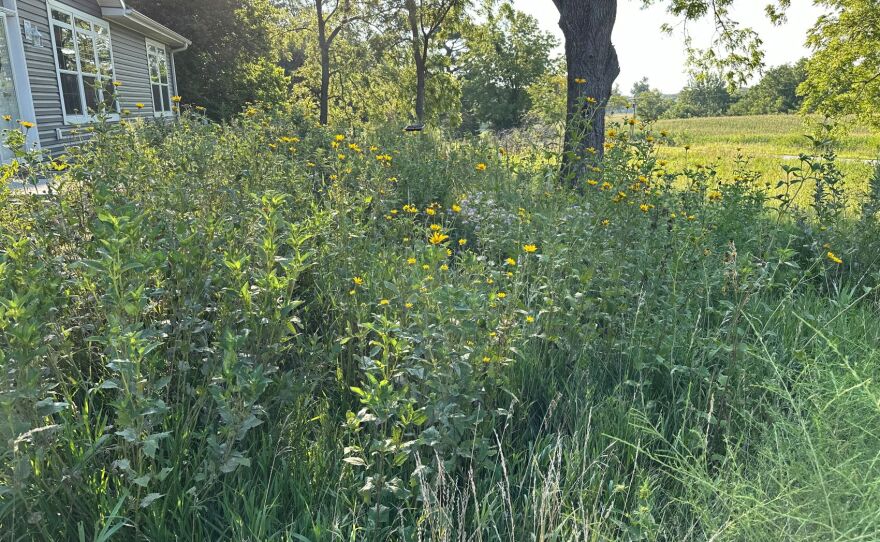
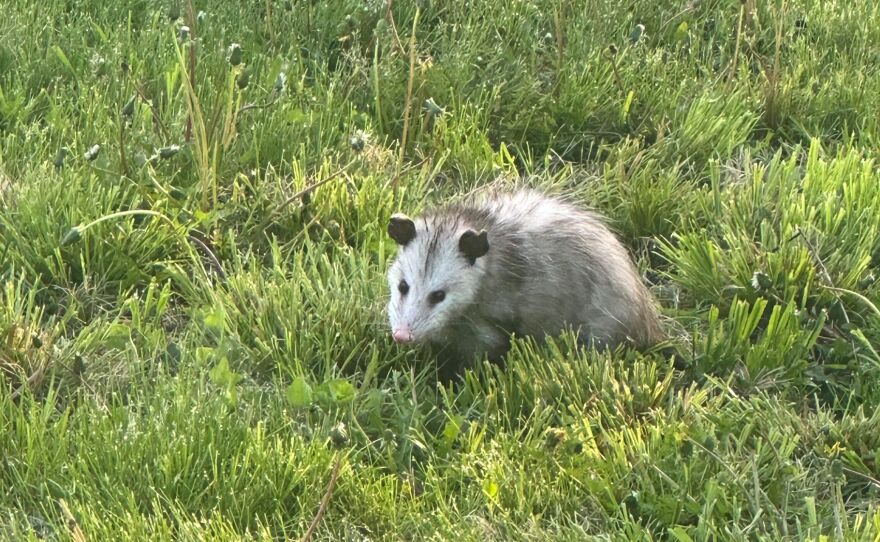
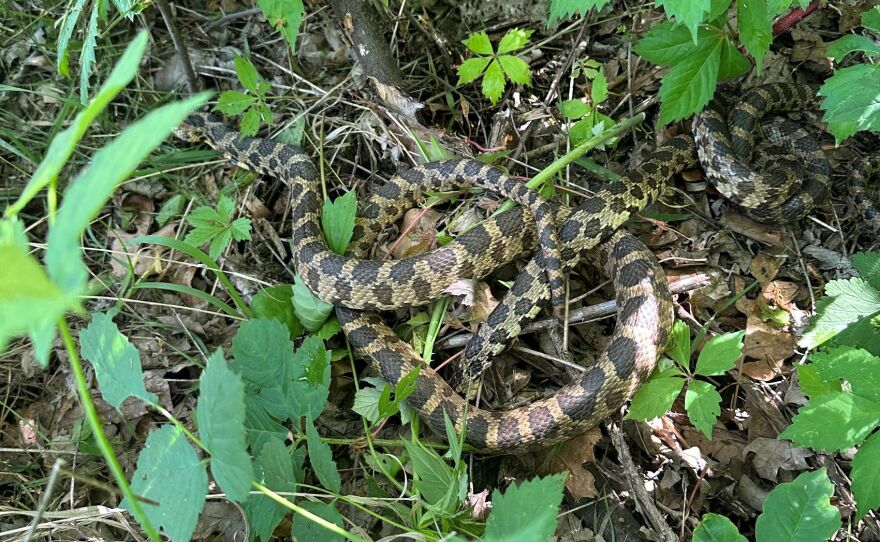
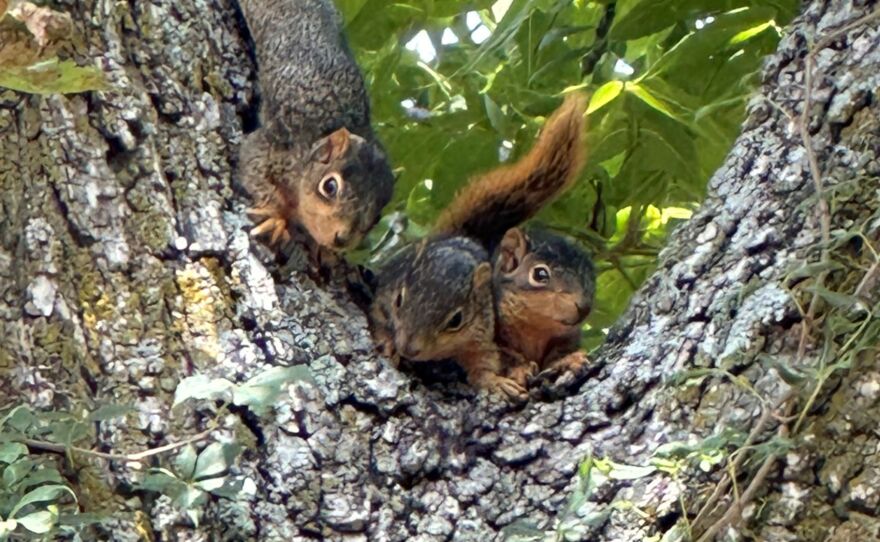
Certified Wildlife Habitats focus on five key elements to certify a landscape: food, water, shelter, sustainability and places to raise young. Smith said planting native plants or using feeders, installing water gardens and puddling dishes, and using brush and leaves for shelter are some of the ways a space can become a proper habitat. He added that sustainable gardening practices are important too, such as limiting mowing and chemical use, managing invasive plants and conserving soil and water.
But Smith emphasized that planning the habitat based on its location is most important because what can be provided may depend on the landscape that's available. He recommends doing research to find out what is possible for the location of the habitat.
He said different parts of the state also have different property limitations. For instance, someone in Des Moines may violate property maintenance ordinances if they plant native grass that makes their yard look overgrown.
"When you have something that's planned in town, that generally will meet those homeowners association requirements, as well as any municipal ordinances," he explained.
The natural landscapes of rural areas can be great places to build wildlife habitats, although it's still important to check for any property limitations.
Smith lives in rural Iowa and has a certified wildlife habitat in his own front yard. He created the habitat prior to his role at IWF. He said when his house was built in 2018, he had to decide how he wanted to manage his acres of land.
"I didn't see the point of spending the money to maintain something that didn't offer much, other than aesthetics," he explained. "I like to go out and walk around in my prairie and see what I can find."
Smith said the area was initially an old pasture, so he planted native wildflowers, and native grasses, like sideoats grama and buffalo grass. He said insects and pollinators were the first to move in, followed by frogs, chipmunks, squirrels and opossums.
"A lot of birds, that's the other place where you'll really see an explosion of diversity is with birds," he added.
He said an important part of the process is assessing what's already there. There were a lot of trees in the area, so he kept ones that were good for the habitat and got rid of the harmful ones, like black walnut trees. He noted that his trees attract more birds and squirrels, while a landscape with less trees might attract more snakes or toads.
Smith said it can take a year or two for plants in a habitat to thrive, and he recommends people keep trying. He said he started by just experimenting and seeing what would work.
"Even once you have your wildlife habitat established, you're still learning because you need to know what has come in and what is different," he said.
The application to certify a habitat area is on the IWF's website. It also has a checklist of requirements so people can determine if they're able to certify their space as a habitat, as well as a quiz to identify what they could provide given the space they're working with. The $25 application fee includes a paper certificate and the option to purchase signage for the habitat.
Individuals must meet the listed requirements to be certified by the National Wildlife Federation, but anyone can implement these elements into their outdoor space.
Copyright 2026 Iowa Public Radio