

It's Severe Weather Awareness Week in Iowa, and the state is urging Iowans to prepare for natural disasters before they hit.
The Iowa Department of Insurance and Financial Services and Iowa Homeland Security and Emergency Management are running the statewide initiative March 23-27 to encourage Iowan's to “prepare now, recover faster.”
Each day of Severe Weather Awareness Week focuses on a different weather event or tip: Monday highlighted lightning safety, Tuesday's focus is tornado safety, Wednesday is for general preparedness, Thursday focuses on hail and wind, and Friday wraps up with flood safety.
The annual statewide tornado drill is set to take place Wednesday at 10 a.m. as part of the awareness campaign.
Resources to prepare for severe weather
To help Iowans get ready, the state offers free online resources, like Ready Iowa. It goes over ways to prepare your family and home for severe weather. That includes having a set plan in place for yourself or family members, preparing an emergency kit and learning about hazards that can impact your community.
Homeland Security and Emergency Management Public Information Officer Allie Bright said taking these steps in advance allows you to focus while you're in the moment.
“Having that plan in place, or practicing, or knowing your coverage or having that emergency kit, hopefully, will take some of that burden off of the recovery process,” Bright said.
The Iowa Department of Insurance and Financial Services offers a Post-Disaster Claims Guide that walks through the disaster recovery process. It outlines how and when to file insurance claims and gives information about how to determine coverage and avoid fraud. The guide explains the process of estimating damage and costs, calculating a claim settlement and filing a claim. It also has blank logs to keep track of who you’re communicating with and your overall recovery progress.
Iowans can also refer to the Iowa Insurance Division's Post-Disaster Resources, which lists disaster assistance programs and more tips on what to do after you’ve been impacted.
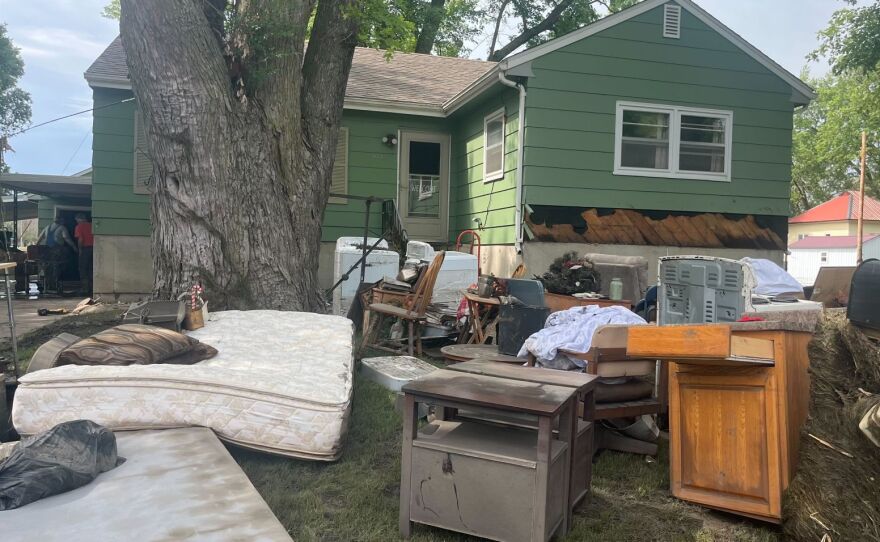
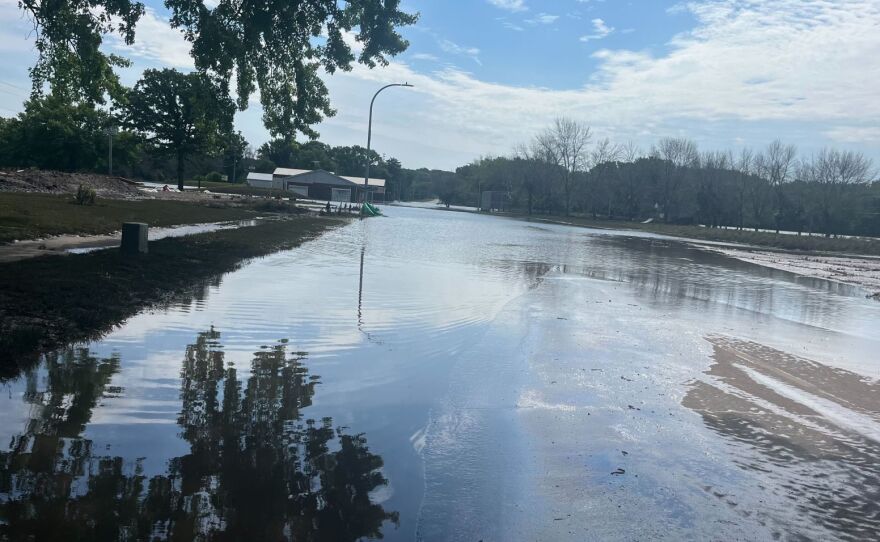
State emergency officials recommend that people prepare their homes. They say homeowners should review their homeowner’s policy and keep a contact list of their insurance agents and trusted contractors to avoid fraud. Bright said keeping a home inventory is also crucial. She said an easy way to do so is by taking pictures of your household items with your phone to reference later.
“Go to where your photos are stored, pull those up, and say, 'Oh, I have these items,’” she said. “Because that’s something your insurance is going to want to know whenever you do make that claim.”
Bright added that knowing who your local emergency management agency is will be an important resource after severe weather strikes.
“They’re going to be the ones that do things like go through your community and look at damages,” she said. “They’re going to lead damage assessments in your area, which can help us [the state], in turn, figure out the resources we need to get to communities.”
Bright said one important step Iowans can take today to be prepared for an emergency is to sign up for Alert Iowa. The statewide mass notification system sends safety alerts to people based on their local area.
You can sign up to receive alerts via text message, email and voice message on their website.
